The curse?
Each fall I cringe, wait and wonder what new gadget will show up in the dorms, converting wireless bandwidth into the latest gotta-have-it diversion. Faculty and staff get these gadgets too and bring them to IT asking for help in getting them to deliver the promise that was advertised.
The blessing?
New gadgets bring new opportunities to do useful things in new ways, usually at less cost.
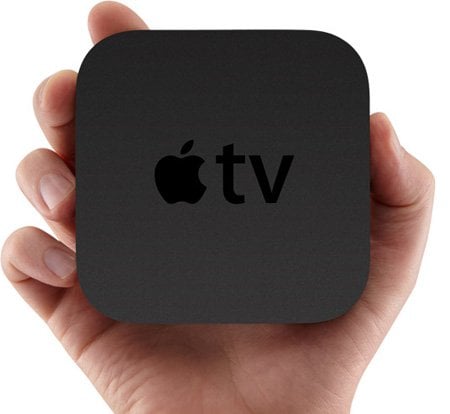 The AppleTV is an amazing example of such a gadget. At $99 it delivers a wide array of streaming media (video and audio) along with desktop mirroring (using AirPlay) to the classroom. Sure, we could use the classroom technology podium computer for desktop sharing, but this is so cool!
Actually it really is cool! Professors can now move around the classroom completely untethered from a podium. All you need is an iPad and an iTunes account (ok, maybe a NetFlix, YouTube, Hulu, ... account too) and you're GTG.
At least, that's how the consumer technology promise goes. Of course, reality isn't quite so uncomplicated. It turns out that Apple's products
rely on the Bonjour protocol, a proprietary protocol
that sends something called multicast packets across the network to discover other Apple devices on the same network. Colleges and universities typically use complex enterprise networks for wired and wireless connections across campus. Complex enterprise networks block multicast traffic to prevent flooding the network, and the hundreds or thousands of devices on the network, with these discovery packets. This is a big enough deal that a group of over 750 university technology administrators recently signed a petition demanding that Apple redesign their protocols to work in large enterprise networks.
To give you an example of the enterprise multicast problem, imagine coming home and yelling "Hello, is anyone home?". Now, imagine entering a room with 100 people all yelling "Hello, is anyone home?". On your small home network with a handful of devices, "shouting" works just fine, but this approach causes serious problems on a large, enterprise network, causing serious congestion over wireless networks.
Our challenge this summer was to figure out how to put an AppleTV in a classroom with a display, allowing a professor to come to class with an iPad, connect to an AppleTV over the wireless network, and use AirPlay to give a KeyNote presentation. Of course, the iPad's Remote app can also be used to play YouTube, NetFlix or Hulu video, iTunes music and a whole host of other cool content.
Well, thanks to my talented and tenacious team who figured out how to get our Cisco enterprise network to tolerate Apple's Bonjour protocol, Simpson University is rolling out AppleTVs in 5 classrooms this fall! We have professors who are excited to start using their iPads and we are excited to see if this new technology will result in more effective learning. Stay tuned!
